-ethna-rose-o%27regan-thumb.jpg?VersionId=kL7ucmByjlyVoHLq_.RmW8zdpMTLRs2Y&itok=pX-0wvWR)




The Liverpool Biennial Finds Solid Ground
The 2025 edition, ‘BEDROCK’, presents a cohesive selection of artworks woven into the city’s urban fabric
The 2025 edition, ‘BEDROCK’, presents a cohesive selection of artworks woven into the city’s urban fabric
The history of Liverpool is written in its rock, which can be seen everywhere from the famous Royal Albert Dock to the monumental red-sandstone cathedral. The city has, over the centuries, been a manufacturing monolith; a pop-cultural powerhouse (from Beatlemania to punk); and a dockside seat of colonial plunder and the transatlantic slave trade. ‘BEDROCK’, the 2025 edition of the Liverpool Biennial, sets out to explore the interface between the city’s landscape and its much-mythologized history. At its most successful, the works in this year’s biennial offer not just critical reflections of the city’s layered terrain but become extensions of it – with one installation literally embedded within the city streets. Taking the viewer well beyond the usual tourist trail, artworks are presented everywhere, from abandoned housing association buildings and warehouses to high-end trainer stores.
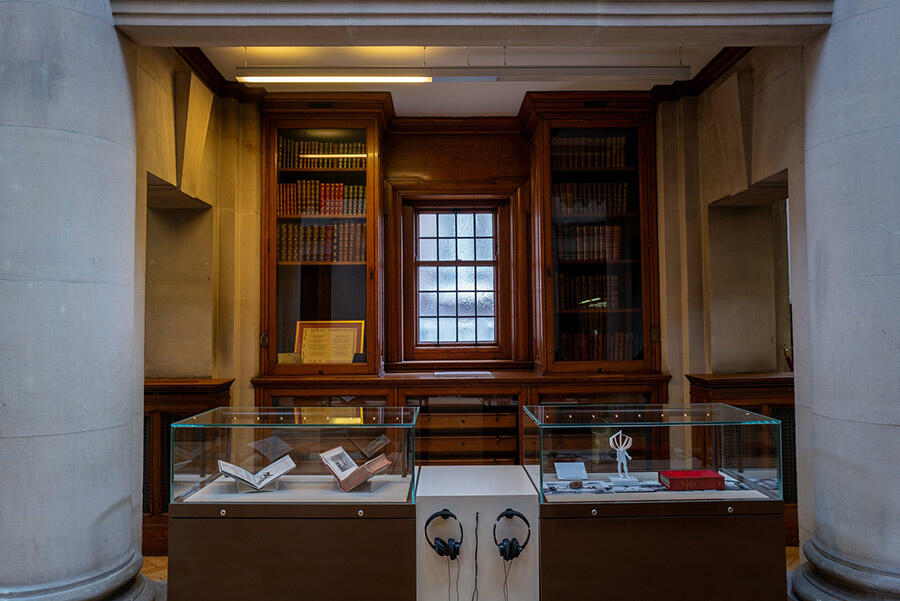
The historic, Grade II-listed Hornby Library becomes the site of Dawit L. Petros’s ‘As the Nile Flows or the Camel Walks’ (2025). With its roots as a research project in collaboration with Liverpool John Moores University, the work – drawn from sound, photography, books and other archive materials – performs a kind of anthropological intervention among the otherwise sedate stacks. It offers a ‘re-reading’ of a military expedition along the Nile during 1884–85: an effort to rescue the British Governor-General from the Sudanese city of Khartoum, after it was seized by the Islamic ruler Muhammad Ahmad. According to one of the explanatory placards accompanying the work, around 100 Indigenous people from Canada were part of this band of ‘liberators’. As a result, neat divisions of power were blurred: the plans would have seen the imperial figurehead ‘freed’ by colonial subjects, who had been conscripted to stamp out anti-colonial resistance. (Ultimately, however, Major-General Charles George Gordon was killed before the city fell.) The work sprawls across several vitrines: newly created sculptures – a tiny heap of bone-white rifles; recreated segments of a dismantled whaler boat modelled on the kind used during the voyage – sit alongside maps, photocopied images of Egypt and texts of colonial plunder (With Kitchener to Khartoum, 2025). By taking Liverpool’s own vast archive related to empire as its source material, Petros suggests that new horizons can be built out of tainted material, complicating more simplified, moral readings of the past. Questioning the kind of ‘objective’ detachment often prized by colonial history, Petros urges the viewer to question the idea that knowledge can ever be settled or neutral.
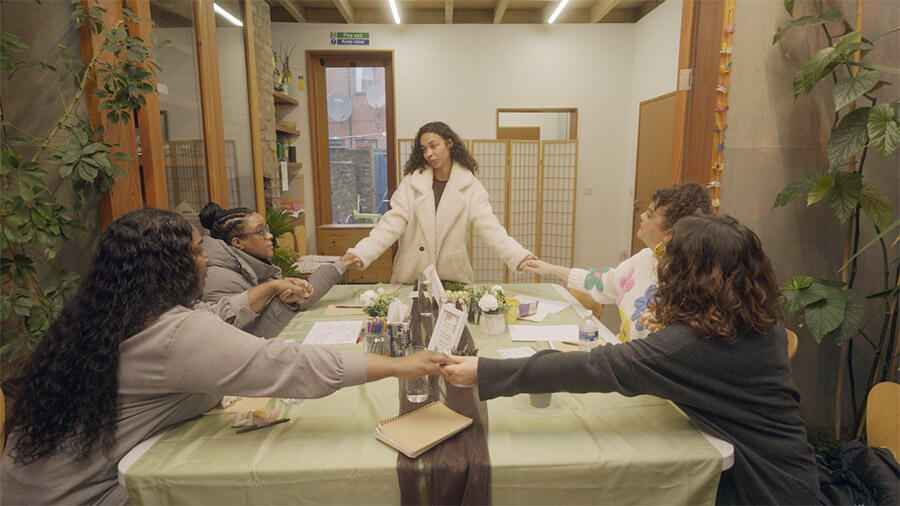
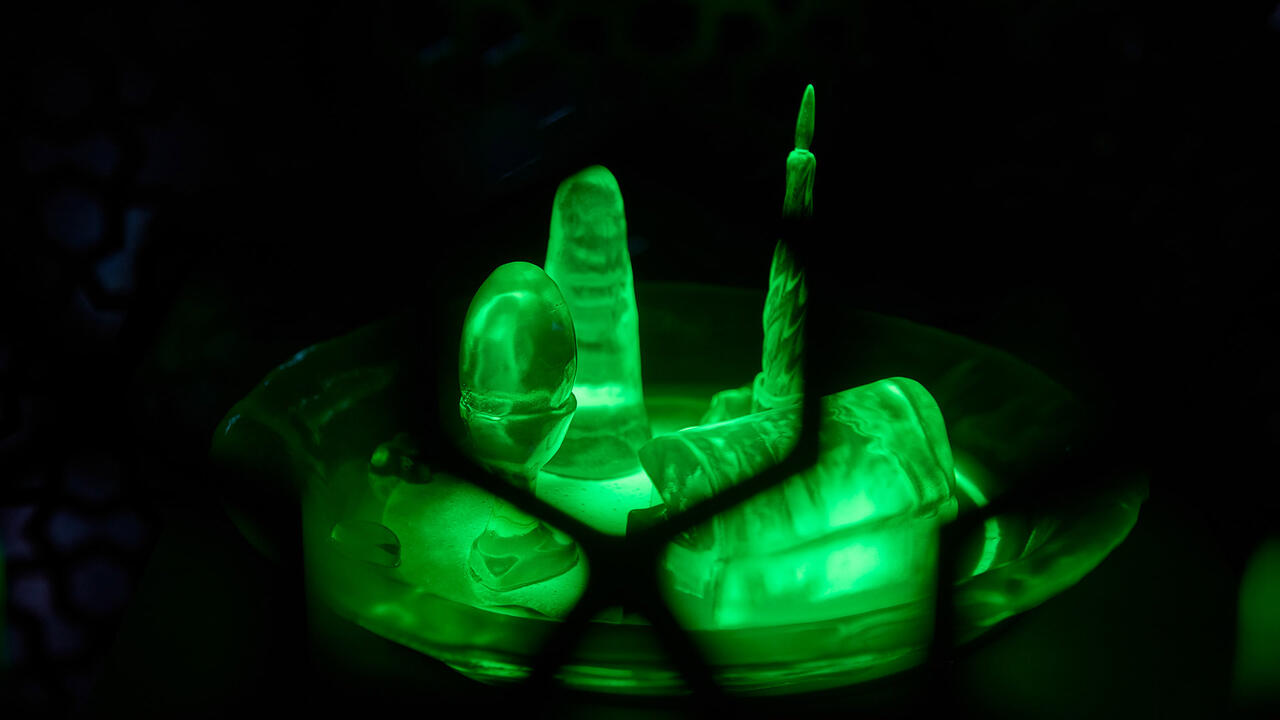
This notion of a complicated and nuanced foundation shifts to the present day, and with more tenderness and emotional force, in Amber Akaunu’s Dear Othermother (2024) at the Bluecoat. This documentary film is set in the heart of the Liverpool neighbourhood of Toxteth, where around one in six households are single-parent families. Scenes based in local community centres feature single mothers who have built their own networks of kinship and support, providing communal therapy sessions and rituals of care. The work references a Yoruba naming ceremony, in which a child’s names are spoken aloud and affirmed by the community; a glass case contains replicas of some of the symbolic items used in the ceremony (palm oil, pepper, honey). Although the film occasionally tips into ubiquitous, Americanized psychobabble (‘acknowledge yourself for showing up today’), its grounding in the local reality of the city today – and the determination of these residents to build something hopeful against a backdrop of underfunded services and gutted social support – makes it nonetheless insightful and affecting.
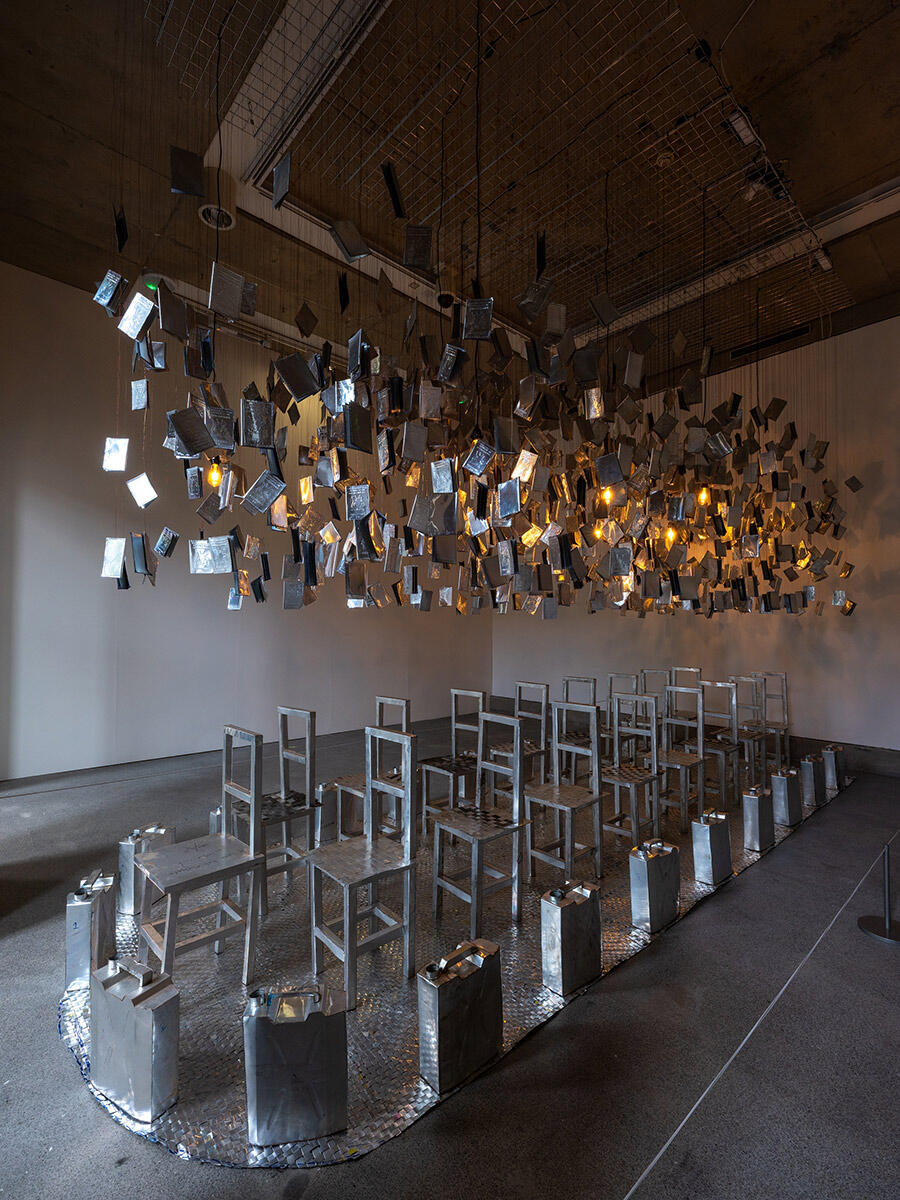
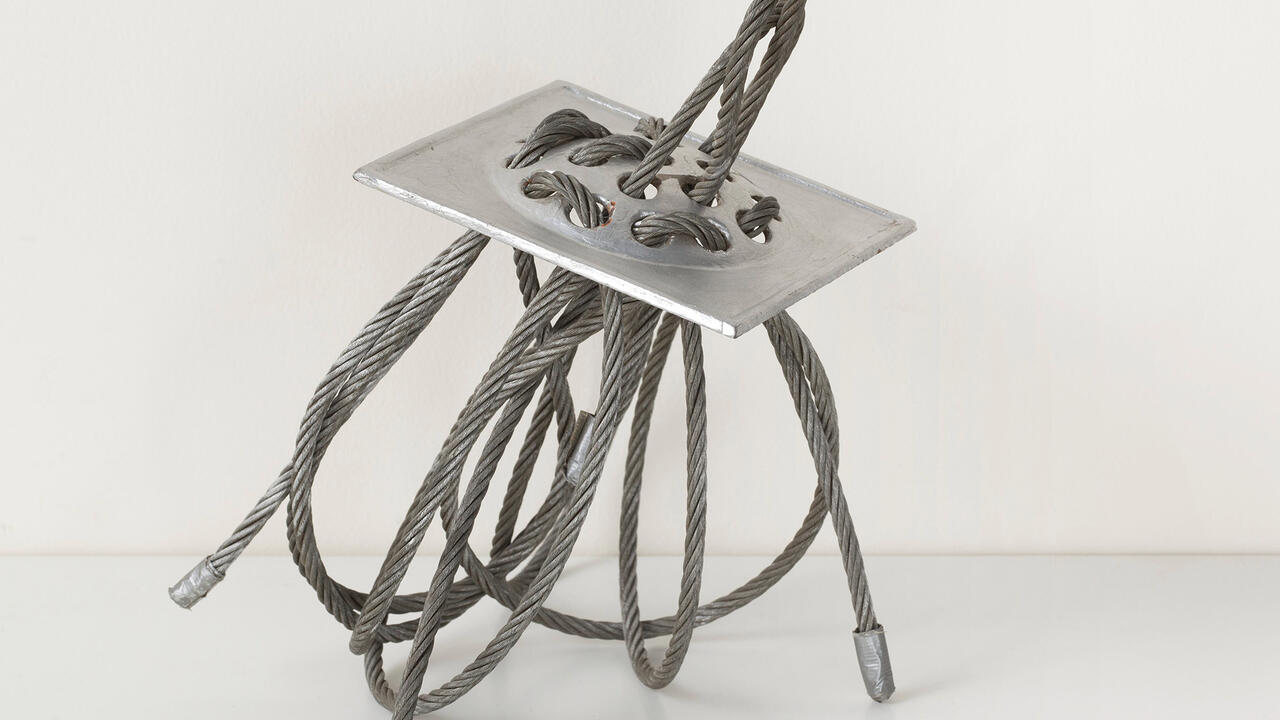
If Akaunu’s work explores the idea of ‘bedrock’ as a kind of home that can be reshaped against the odds, what happens when there’s no ‘home’ to go back to? In Odur Ronald’s installation ‘Muly’Ato Limu – All in One Boat’ (2025), passports made from aluminium and scrap metal hang from the ceiling in a shimmering veil, catching the light from a single suspended bulb. Below, ranks of chairs and jerrycans (often used as flotation devices by migrants trying to cross the seas into Europe), constructed from the same salvaged material, are arranged on a woven metal mat. Up close, the objects bear the fragile marks of their making. Something about the provisional, handmade nature of these items, along with the ethereal, almost ghost-like presence of implied bodies, suggests the desperate narratives of so many people trying to cross borders, who instead find themselves caught in bureaucratic machinery, an alternative future just out of reach.
the works offer not just critical reflections of the city’s layered terrain but become extensions of it – with one installation literally embedded within the city streets
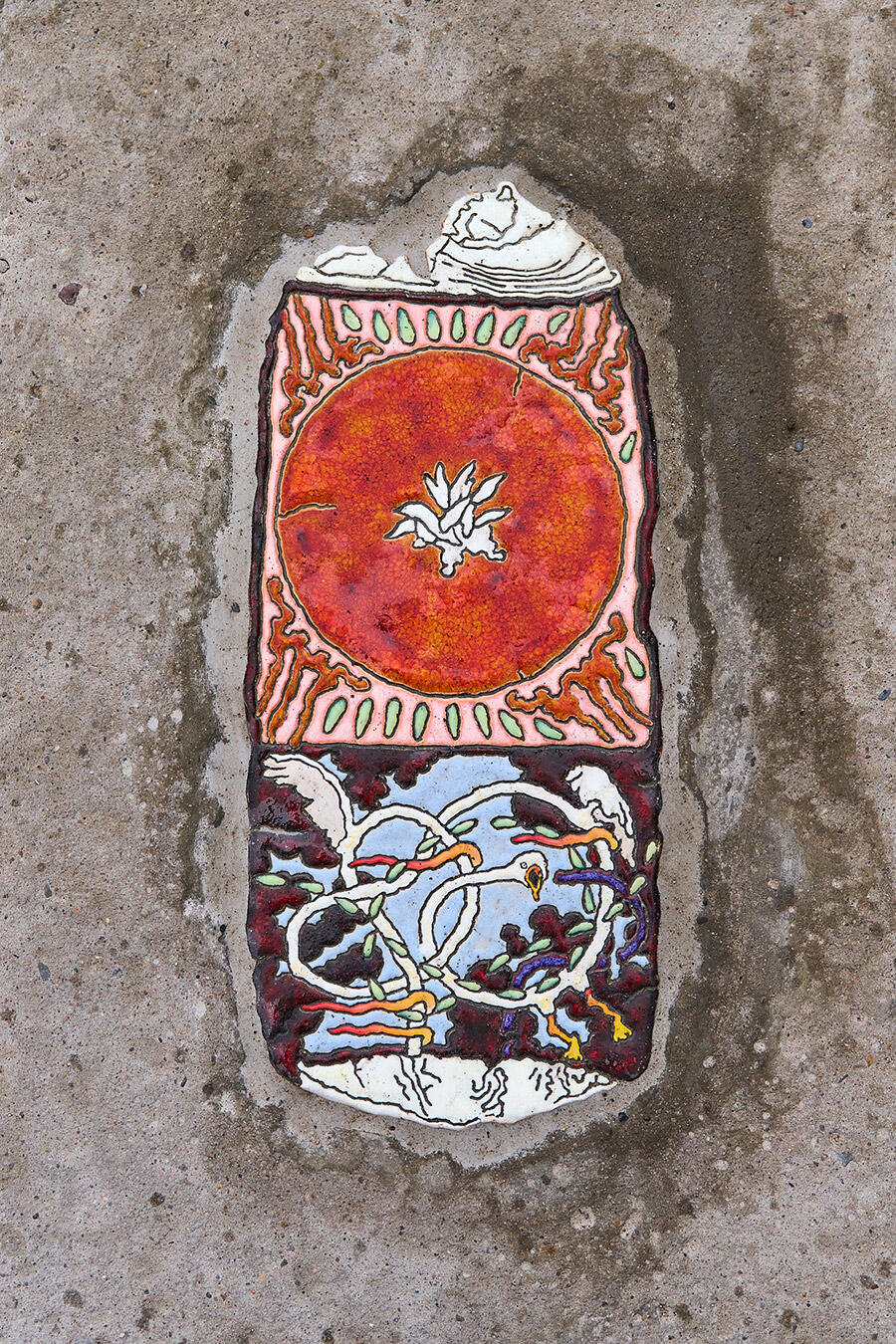
Kara Chin’s immersive installation, ‘Mapping the Wasteland: PAY AND DISPLAY’ (2025), offers a playful antidote to these more sombre themes. Sensory excess take centre stage at FACT, where Chin’s work pays homage to some of the city’s more mundane sights. In what appears to be a sculptural recreation of an NCP car park channelled through anime aesthetics, the viewer is invited to wander amid orange parking meters, double-yellow lines and heaps of artificial rubble. Nearby, what look like abandoned electrical appliances are stacked upon fusillades of bird shit, Day-Glo weeds spouting through cracks in the pavement. It seems that we’re in a kind of concept for a video game: insert a coin in one of the parking meters and find yourself transformed into one of the seagulls shown on the wall-mounted screens, squawking against a background of psychedelic graphics. (The fact you can’t actually play the game adds to its trippy ‘meta’ quality.) Although the wall text points to ‘metaphors for global unease and anguish in the face of economic and ecological decline’, the artwork is best enjoyed for the giddy, head-fizzing spectacle of it all. Breaching the gallery walls, Chin’s work is also exhibited in the pavements outside. Her ceramic tiles – depicting more stylized detritus of coffee cups and noodle boxes – form a trail of ‘breadcrumbs’ along Berry Street.
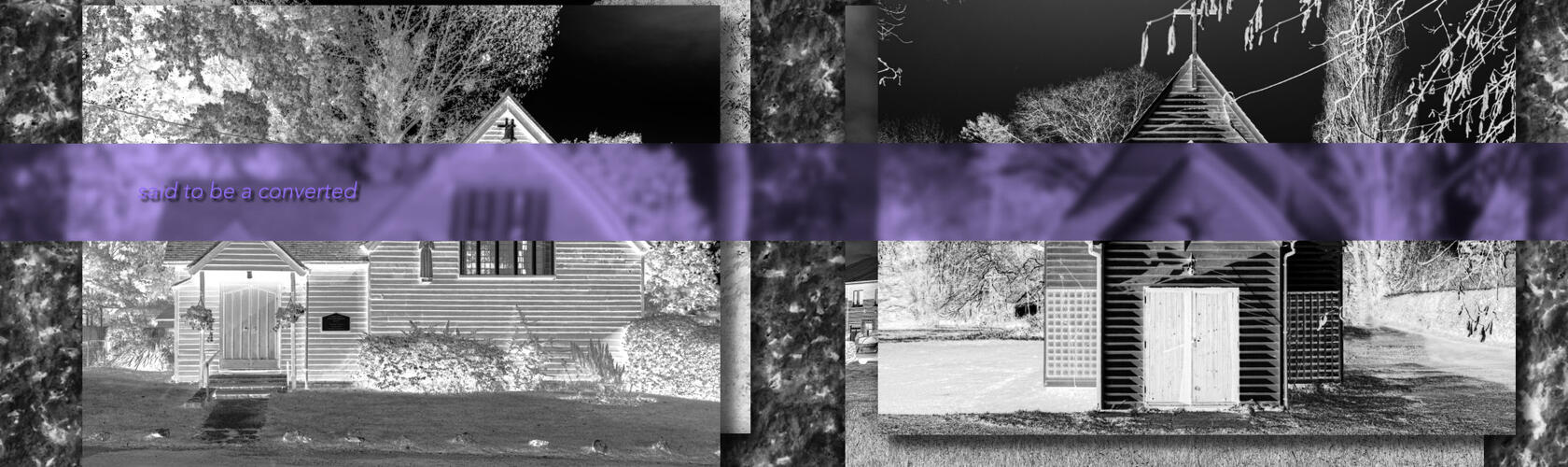
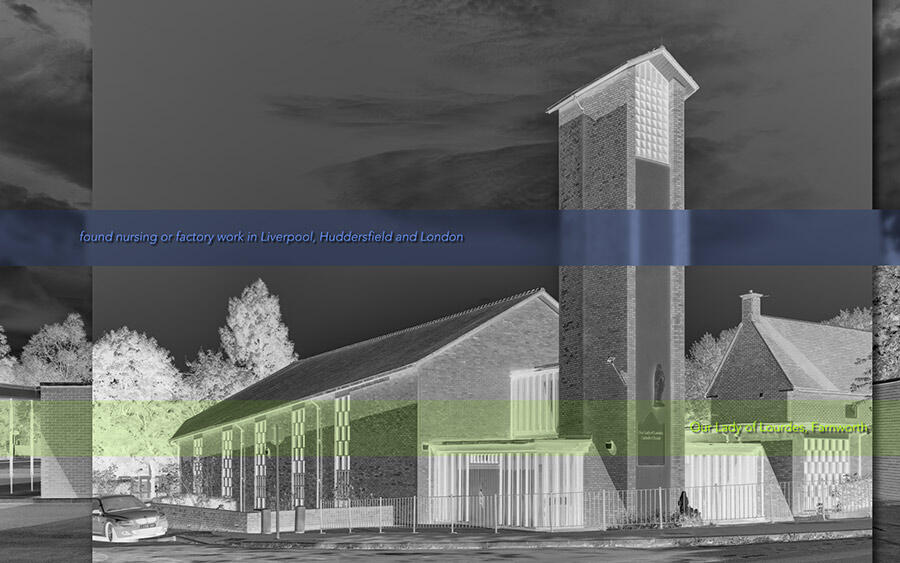
The Black-E, a contemporary arts centre on the site of the former Great George Street Congregational Church, becomes the apposite setting for former Turner Prize winner Elizabeth Price’s 2025 film HERE WE ARE. The narration tells the largely forgotten history of North West England’s starkly beautiful modernist Catholic churches, built between 1955 and 1975 by immigrants from across Ireland as well as southern and eastern Europe. There’s something oblique if quietly hypnotic about the film’s palette: across 20 glacial minutes we see night-vision images of the buildings, their stark style a seeming testament to the imagination and tenacity of a diaspora trying to find a place for itself in a shifting, post-war landscape. With its monochrome, retro-feeling graphics and propulsive electronic soundtrack, the film builds to a bold crescendo, the churches suddenly spotlit in glorious full colour. It pays homage to the city’s contemporary wave of congregants, hailing from Nigeria to Poland. Price’s film, like the biennial as a whole, provides another route through Liverpool’s complex and multifarious history, regarding the past with a forensic and unsentimental eye – yet with a keen view towards the contemporary moment.
In a city so famed for its cultural exports and civic pride, the Liverpool Biennial could so easily skew one of two ways: a glorified heritage tour for out-of-towners, or a platform for artists exploring current concerns and political stances that ends up detached from its roots. But on this evidence, Liverpool’s bedrock remains ground for a protean future indeed.
The 2025 Liverpool Biennial is on view until 14 September
Main image: Elizabeth Price, HERE WE ARE, 2025, film still. Courtesy: the artist