-ethna-rose-o%27regan-thumbb507.jpg?VersionId=kL7ucmByjlyVoHLq_.RmW8zdpMTLRs2Y&itok=pX-0wvWR)



How Artists Are Responding to the Horrors of the Magdalene Laundries
For decades, Irish institutions concealed women’s suffering through silence. Now, contemporary artists are confronting these traumatic histories to foster awareness and healing
For decades, Irish institutions concealed women’s suffering through silence. Now, contemporary artists are confronting these traumatic histories to foster awareness and healing
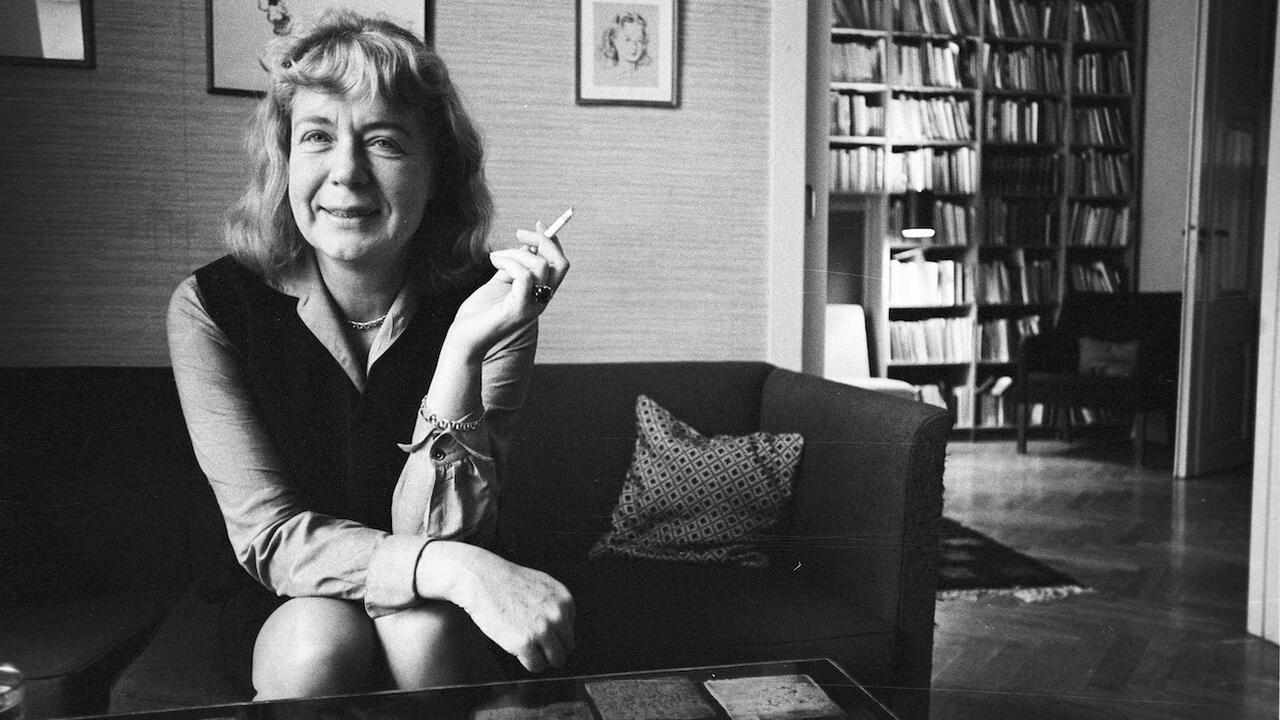
On Saturday Night Live in October 1992, the icon and iconoclast Sinéad O’Connor held up a photo of Pope (now Saint) John Paul II to the camera and tore it to shreds. ‘Fight the real enemy,’ she declared. The audience sat in stunned silence. For years to come, the media would condemn O’Connor as a ‘holy terror’ for her attack on the Catholic Church; her career never fully recovered.
She was, famously, protesting the Church’s decades of covered-up child abuse – for which it took the pontiff nearly ten years after her SNL performance to apologize. But O’Connor was also familiar with another atrocity committed by the Church in her native Ireland: the Magdalene laundries, where ‘fallen women’ – ostensibly sex workers and unmarried mothers, but often also those who were homeless, in need, or had experienced abuse or rape – were imprisoned, forced to give up their babies, and made to disappear. As a teenager, O’Connor was sent to one such institution for shoplifting and truancy: Dublin’s Sisters of Our Lady of Charity. She described the experience in a 2013 interview with The Irish Sun as being ‘locked in, cut off from life, deprived of a normal childhood’.
Despite widespread outrage at the abuses that had taken place – particularly after the 1993 discovery of a mass grave at one site – the laundries remained in operation until 1996, and it was not until 2013 that the Irish state issued a formal apology. Though nominally distinct, the Church-run laundries operated as part of a wider system alongside state-funded ‘mother and baby homes’, where unmarried mothers and their children were similarly institutionalized and likewise often subjected to forced labour and horrific living conditions.
In ‘The Magdalene Song’, released two months after her death in 2023, O’Connor sings: ‘I’m everything a woman’s not supposed to be / that’s why they took my children off of me.’ O’Connor’s may be among the best known, but it is far from the only artistic reckoning with the laundries. In a 2009 New York Times article, writer John Banville observed that the institutions had existed in Ireland’s public consciousness as an open secret – something ‘everyone knew’ but with an unspoken rule to ‘never tell, never acknowledge’. This conspiracy of silence serves as the starting point for artists Ethna Rose O’Regan, Sinéad McCann, and writer Louise Brangan, whose exhibition ‘What Does It Mean to Know?’ opened last month at The LAB Gallery in Dublin.
7400.jpg?VersionId=XIVmq8KZ7.hzMx3x5udHzfpaOQfzrFHT)
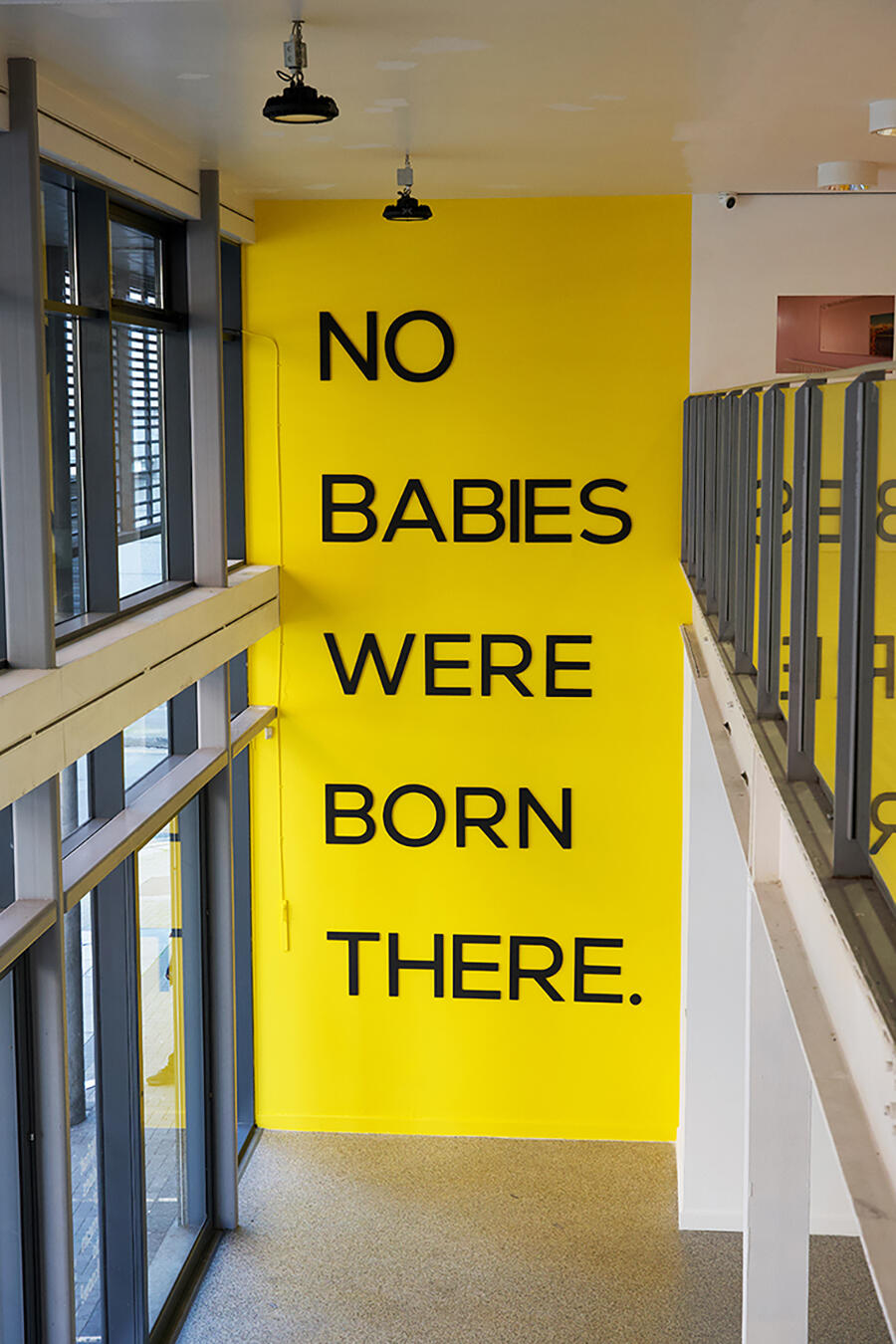
Dominating the space is McCann’s bright yellow installation NO BABIES WERE BORN THERE (2025), stretched across two floors and emblazoned with the words of its title. Created in collaboration with sociologist Louise Brangan, the work reclaims a misleading assertion about the young women sent to the laundries, many of whom were not pregnant or unmarried mothers but simply deemed ‘wayward’ or ‘unruly’. Here, transformed and amplified, the phrase becomes a sharp corrective – a statement inverted by scale and colour.
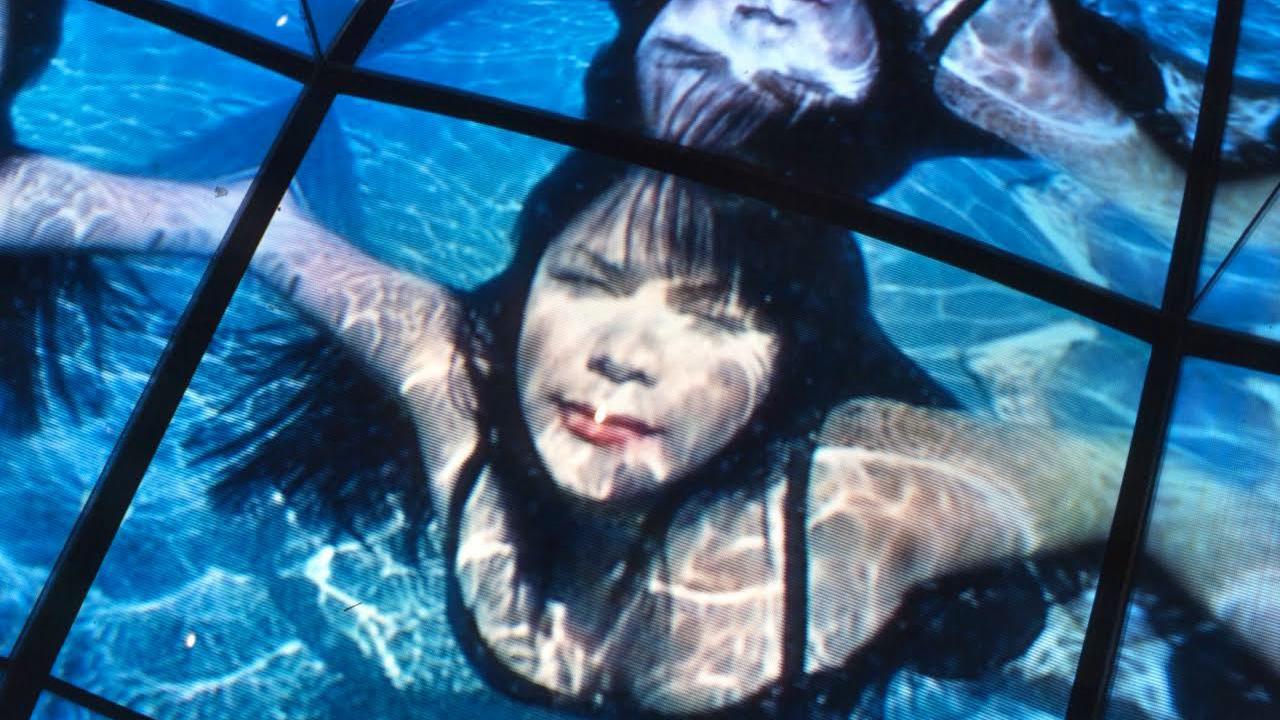
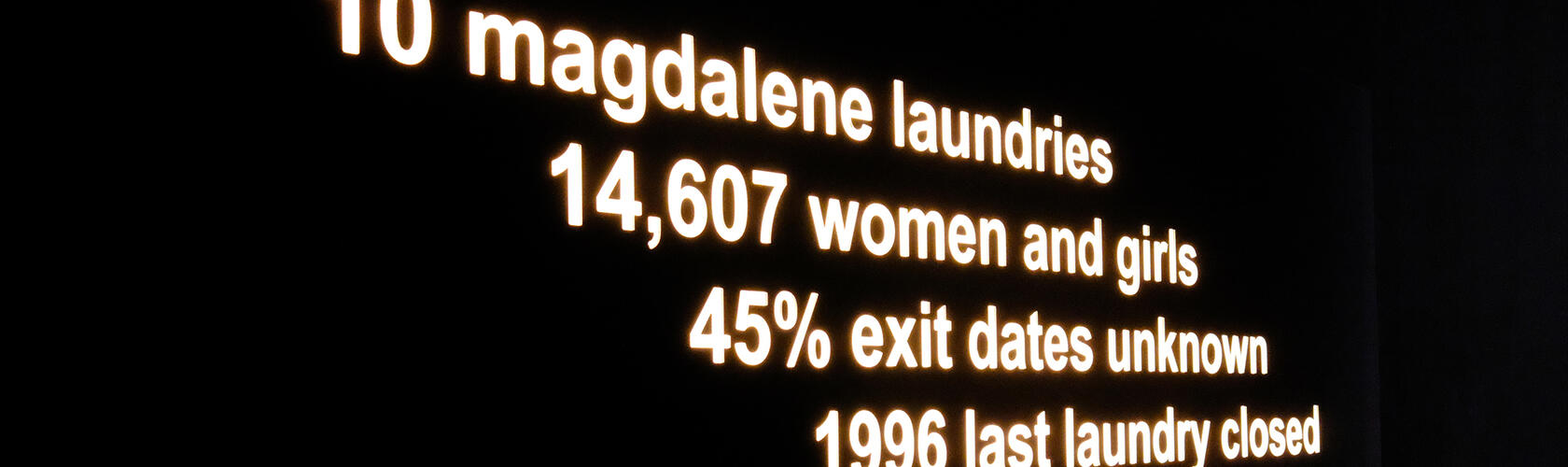
Elsewhere in the gallery, McCann and Brangan’s sound-and-light work I’m still there (2025) reels off a litany of statistics: ‘10 magdalene laundries, 14,607 women and girls, 45% exit dates unknown, 1996 last laundry closed, 879 died there, but “I’m still there”’. In 2013, the McAleese Report aimed to provide an account of the institutions by reducing them to objective metrics. As McCann and Brangans say, ‘Quantifying the past in this way gives the impression that we have found the answers, that we have achieved closure, and that this past is over.’
These artists remind us that the Magdalene laundries are not distant history.
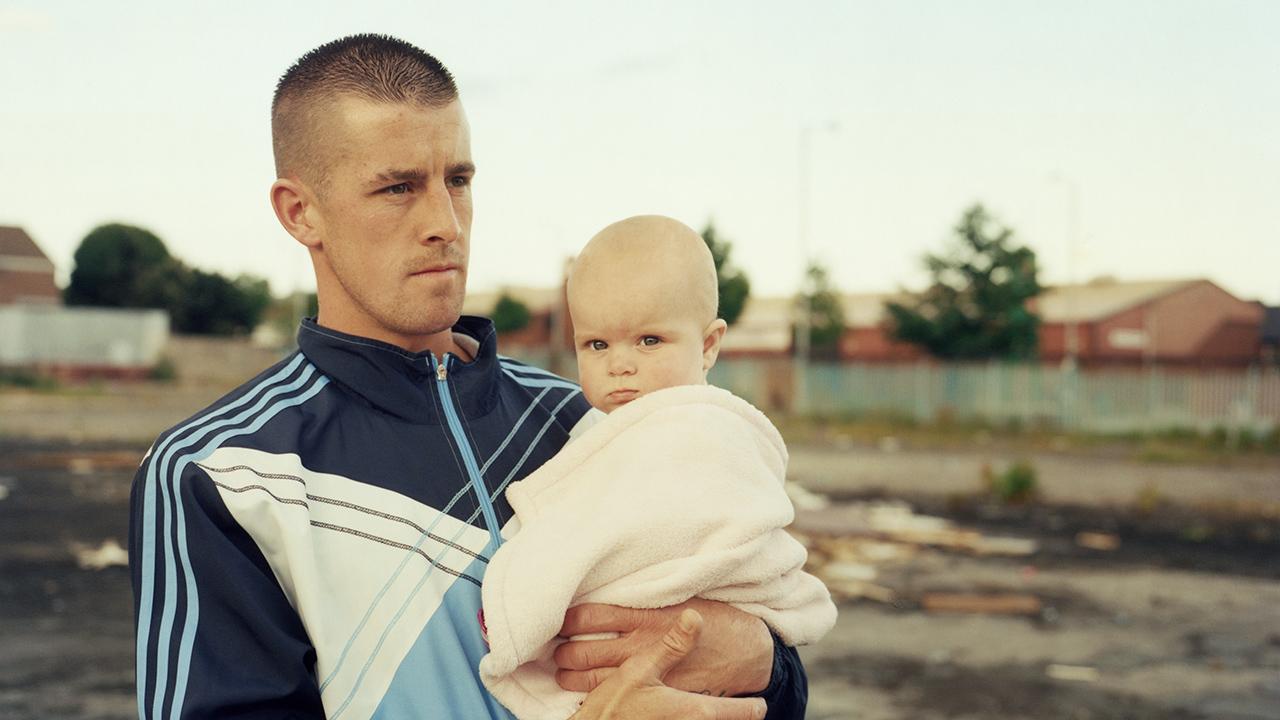
O’Regan’s series ‘After Magdalene’ (2006–09) creates a photographic archive of the remains of the last laundry, on Sean McDermott Street in Dublin, which she first gained access to ten years after it closed. In doing so, the artist tells me, she hopes to ‘create a space for reflection and urge people to never forget our past, so that this abuse of power towards Irish women will never happen again’. Her photographs capture dereliction in its many forms: of space, of care, of moral duty. Many of the shots are populated by empty chairs as well as abandoned religious paraphernalia. A praying Mary leans against an ageing white wall; stone angel wings crumble in a dimly lit room.
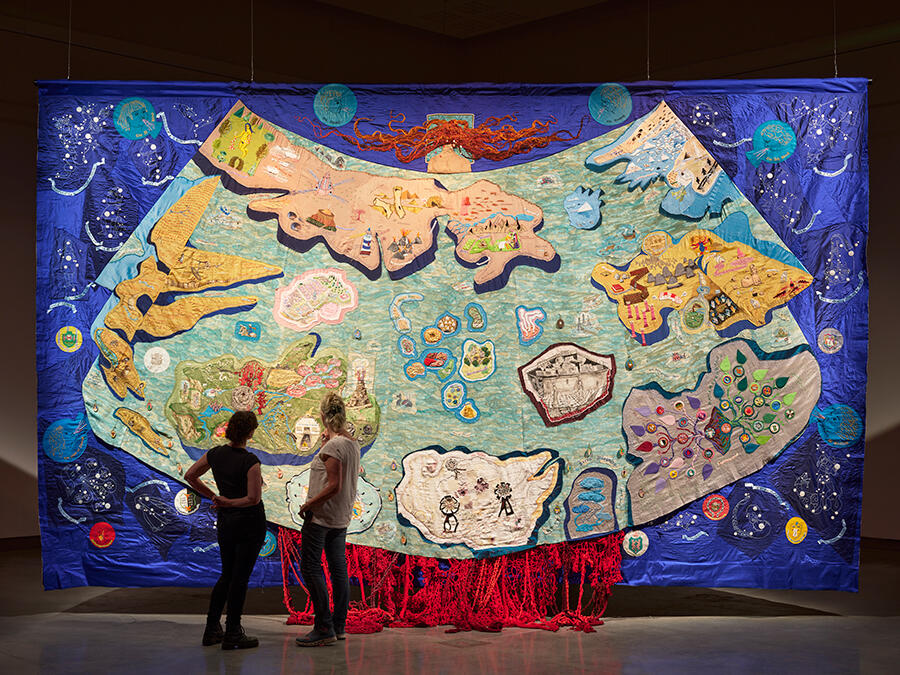
Like McCann, artists Alice Maher and Rachel Fallon have interrogated Ireland’s troubled history through monumental sculpture. The Map (2021) is a stitched, embroidered and painted atlas of Ireland’s history of incarcerating and institutionalizing women. Constellations with names like the ‘Little Laundress’ and ‘Seven Devils’ are scattered across a cosmic blue backdrop, while the map’s curved shape recalls an ultrasound image. A tangle of red crochet hangs from its base, as if bleeding; at the top, a red-haired woman stands in as Mary Magdalene – a figure long miscast as the original fallen woman. Only here, she turns away: not the penitent whore of clerical invention, but an emblem of feminine strength and defiance.
Art intended to remember historical atrocities can be risky territory. Done poorly, it can sentimentalize suffering or mistake political intent for substance. Still, the demand to remember implies the risk of forgetting – that time and distance may make this possible.
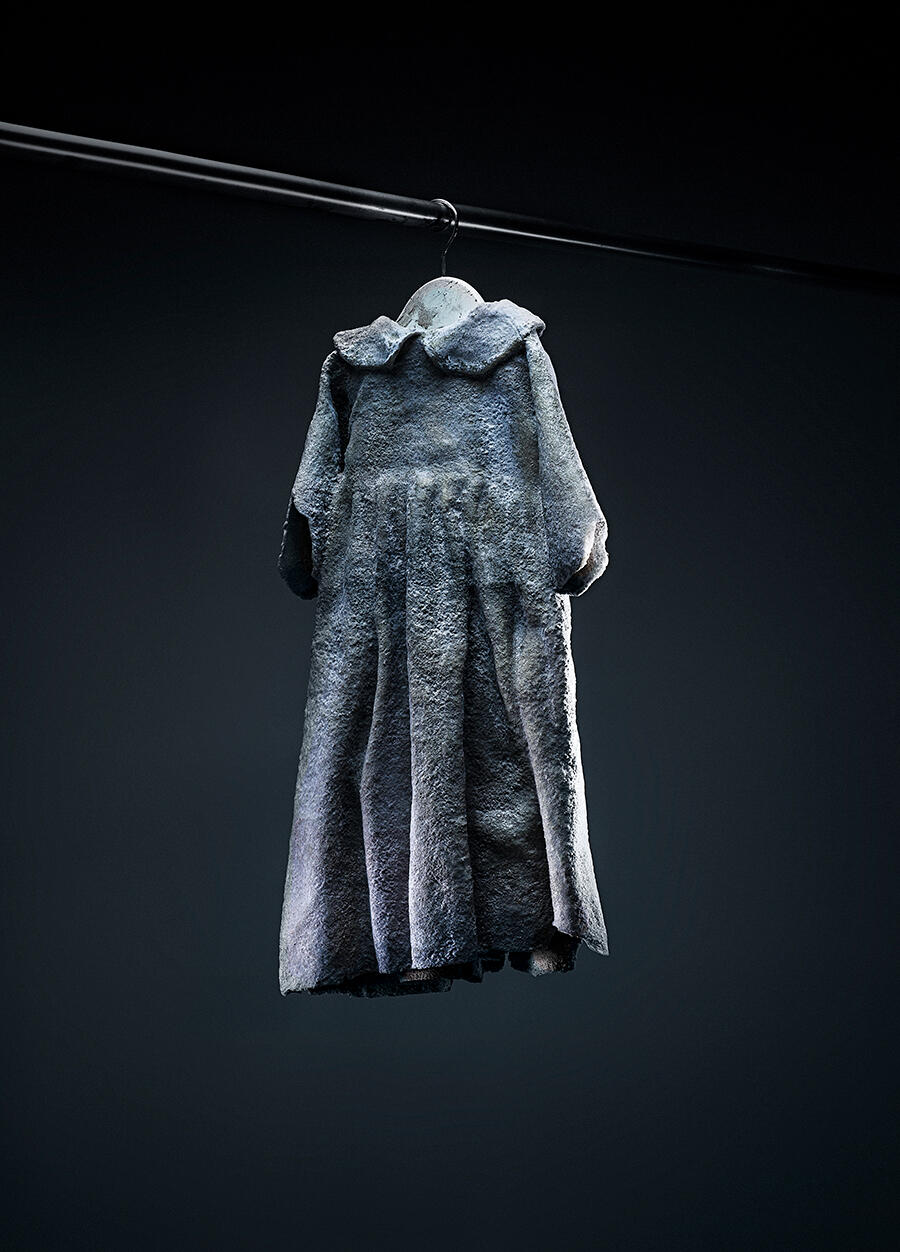
These artists remind us that the Magdalene laundries are not distant history and that the Church and Irish state have yet to properly atone. In 2014, reports emerged of a mass grave containing the remains of nearly 800 children and babies on the grounds of the former Bon Secours Mother and Baby Home in Tuam, County Galway, some buried in the chambers of a septic tank. Artist Alison Lowry responded to this in her installation Home Babies (2017), suspending nine christening robes cast in glass paste like ghosts across the National Museum of Ireland in 2017.
What does it mean to know? This central question in O’Regan, McCann and Brangan’s show reminds us that art about the laundries shouldn’t frame their horrors as a matter of public revelation. Rather, such art should confront these atrocities directly – not because they were hidden, but because they were visible in ways that people found convenient to leave unnamed. The point may not be exposure, but a refusal to collude in the silence. While statistics and data are vital, countless survivors still live with the reality of what happened and have never forgotten.
‘I’m not sorry I did it. It was brilliant,’ O’Connor wrote in her 2021 memoir Rememberings, referring to the SNL incident. Time has certainly proved her dissenting voice to be justified. Now, the next generation of artists must resist the temptation to merely revisit the past; they must also ask what comes next.
Ethna Rose O’Regan, Sinéad McCann and Louise Brangan’s ‘What does it mean to know?’ is at the LAB Gallery, Dublin, until 09 August. Alison Lowry’s Home Babies is on permanent display at the National Museum of Ireland, Dublin.
Main image: Sinéad McCann, in collaboration with sociologist Dr. Louise Brangan, I’m still there (detail), 2025, Installation view, light, sound and text sculpture installation; perspective and Dibond lightbox; black fabric, paint and carpet; yellow LED lights, dimensions variable. Audio work produced in collaboration with musicians Ellen O’Mahony and Carla Ryan (ELKIN). Courtesy: the artists and The LAB, Dublin