-ethna-rose-o%27regan-thumbb507.jpg?VersionId=kL7ucmByjlyVoHLq_.RmW8zdpMTLRs2Y&itok=pX-0wvWR)



Mónica Mays’s Choreography of Suspension
At Blue Velvet, Zurich, the artist’s charged sculptures balance violence with desire
At Blue Velvet, Zurich, the artist’s charged sculptures balance violence with desire
Suspend is a funny word. It has tricks up its sleeve. It suggests a state of limbo, a temporary stop, that infinitely stretched-out moment before the final verdict falls. Yet it never fully evacuates the presence of gravity. To suspend an idea, a form, an object, requires weight. In the case of Madrid-based artist Mónica Mays, it comes as an allowance for a momentary suspension of disbelief – a concept that the artist returns to time and again – and as a very material vocabulary that nurtures her sculptural practice. Her second solo exhibition at Blue Velvet, ‘ridden’, presents 17 sculptures protruding from, or leaning against, walls; suspended from the ceiling; or balancing precariously on cardboard plinths. Spread across the gallery’s two floors, they appear in varying states of protracted tension, stilted movement and near collapse.
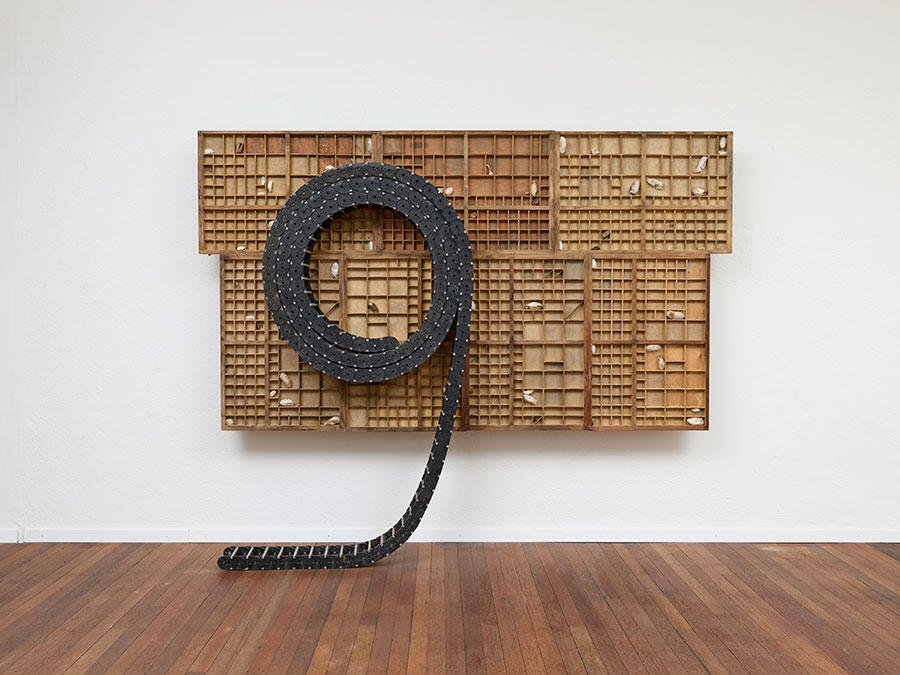
Mays’s sculptures are grounded in collage and assembly. Industrial debris, such as horse saddles, found exhaust systems and car parts, fuse with organic matter, including vellum, natural resins, wax and wood. She wached the bars of time, which broke (all works 2025), for example, is a ready-made that consists of a rolled-up pulley-and-chain conveyor belt superimposed onto a wooden grid system of taxonomical boxes, used in natural history museums to name, divide and classify animal specimens. Both items – one reminiscent of automated Fordist lines of production, the other of the strict imposition of external logic – are symbols of systems bent on efficiency and dominance. Yet the rigidity of this apparatus is perverted through the artist’s insertion of silk moth cocoons into the neat interiors of the wooden grids, their parasitical presence pointing to a state of potential disruption, elements caught in a transitory space, teetering on the brink of transformation.
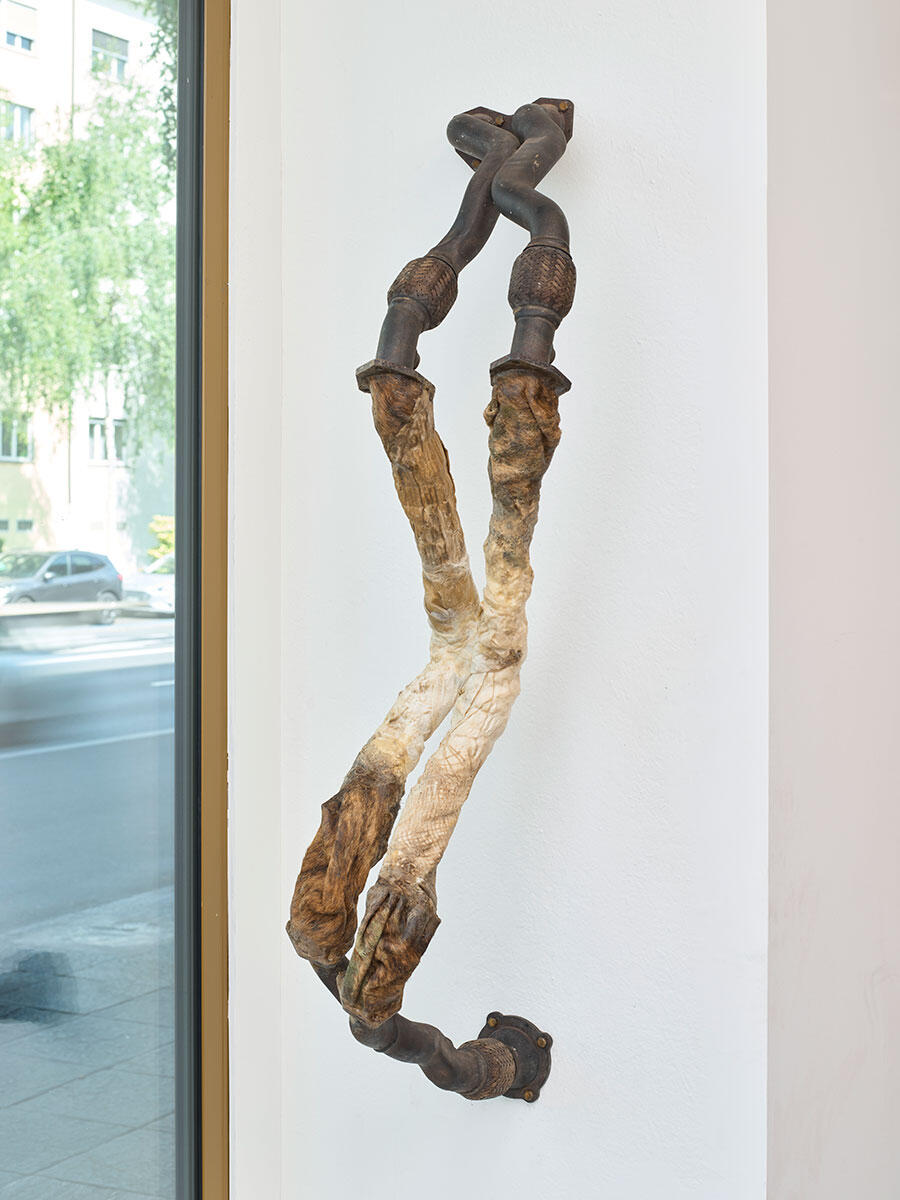
It is perhaps no surprise that, in past conversations, Mays has employed the term ‘baroque’ to establish heredity for her practice, one that is predicated on excess, an infliction of pain as much as a tender embalming. For Feeding, falling, flying and Lub permeates wall, for example, the artist forces metal exhaust systems, already scorched and bruised from prior use, into twisted entanglements. Bending them to her will, she bandages the assemblages with layers of paper-thin animal skins and wax. The effect sits somewhere between phantom limbs and animalistic viscera spilling out.
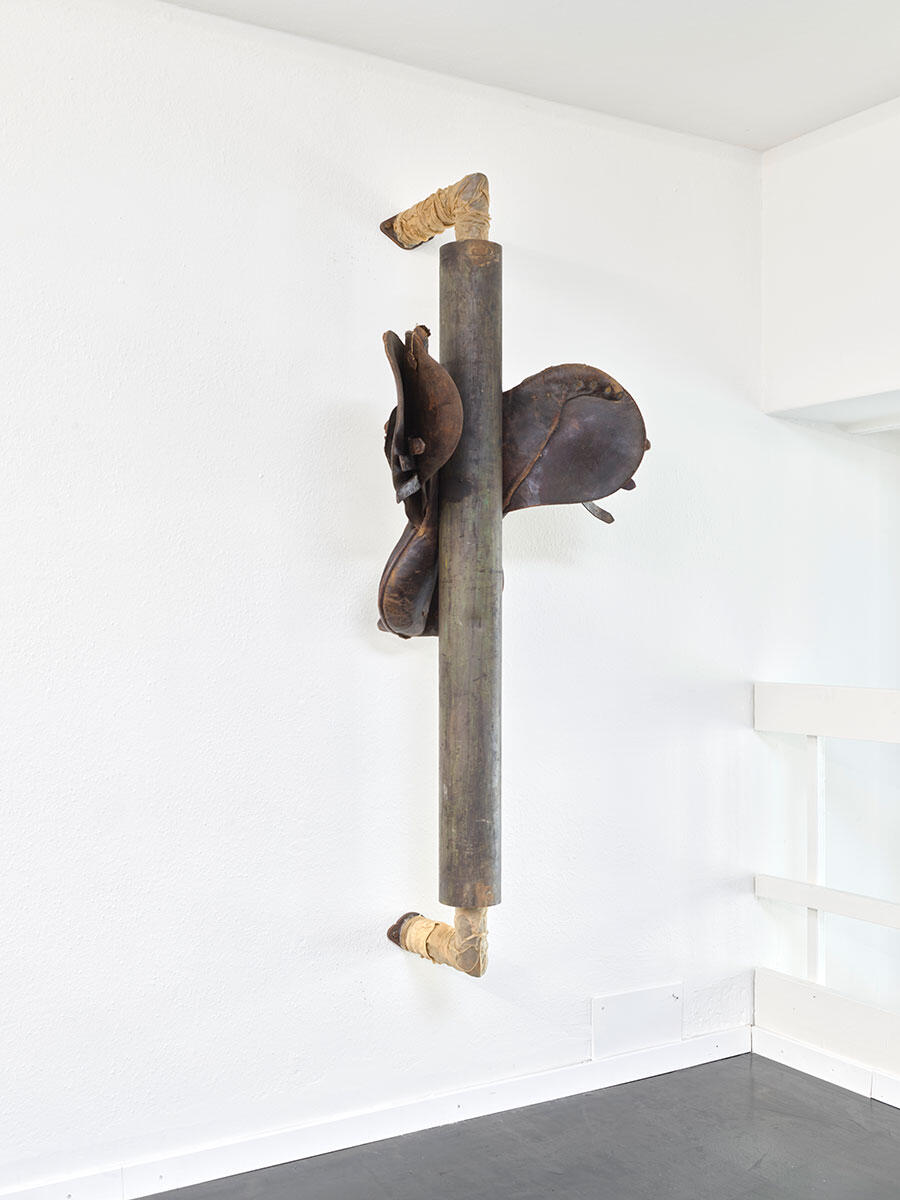
Upstairs, two wall-mounted sculptures, Merry-go-round I and II, bracket the space, facing each other in a mating game of fatal attraction. Each work features a found, beaten-up leather riding saddle that has been flipped on its side and is locked in an embrace with a vertical metal tube. In the exhibition text, Pierre-Alexandre Mateos associates Mays’s sculptures with the ‘forms and mechanisms of fairground rides’, closed architectures that through their centrifugal forces instil terror and fear, but also awaken pleasure, desire and excitement. Whether echoing a carousel or, in the case of She wached the bars of time, which broke, a rollercoaster, Mays’s works recall mechanisms that impose a tightly scripted social and emotional choreography of control.
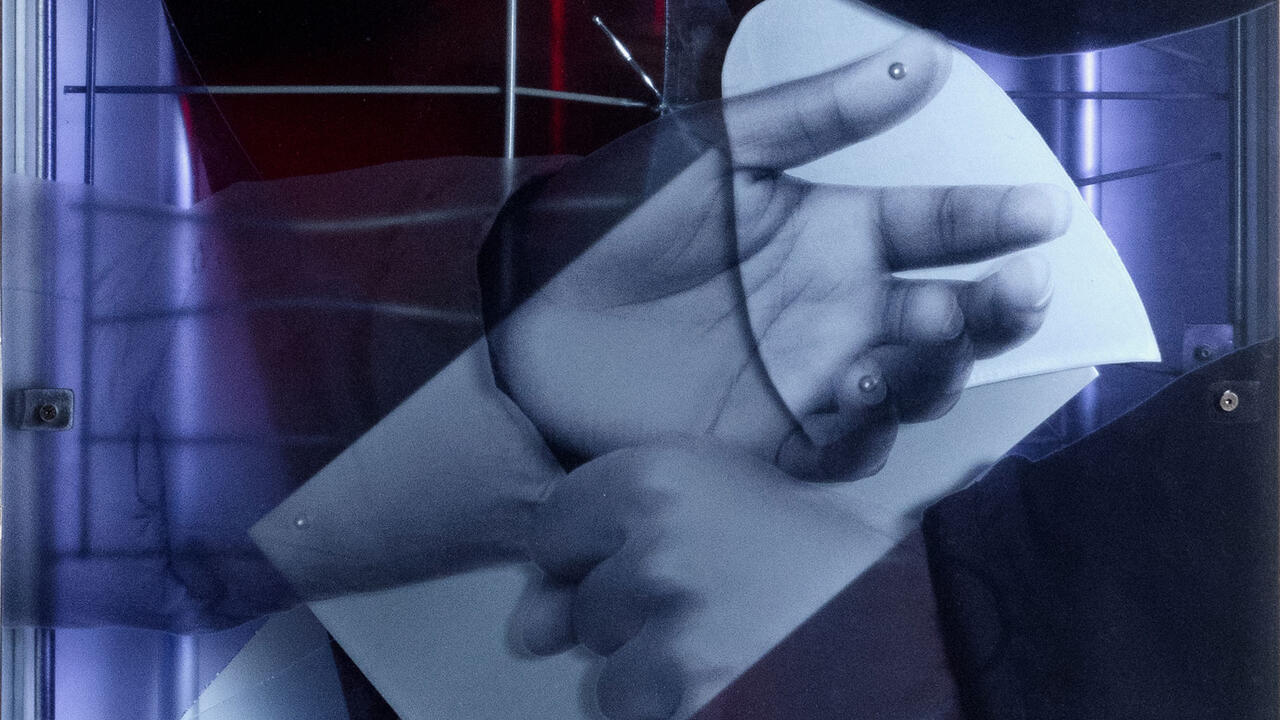
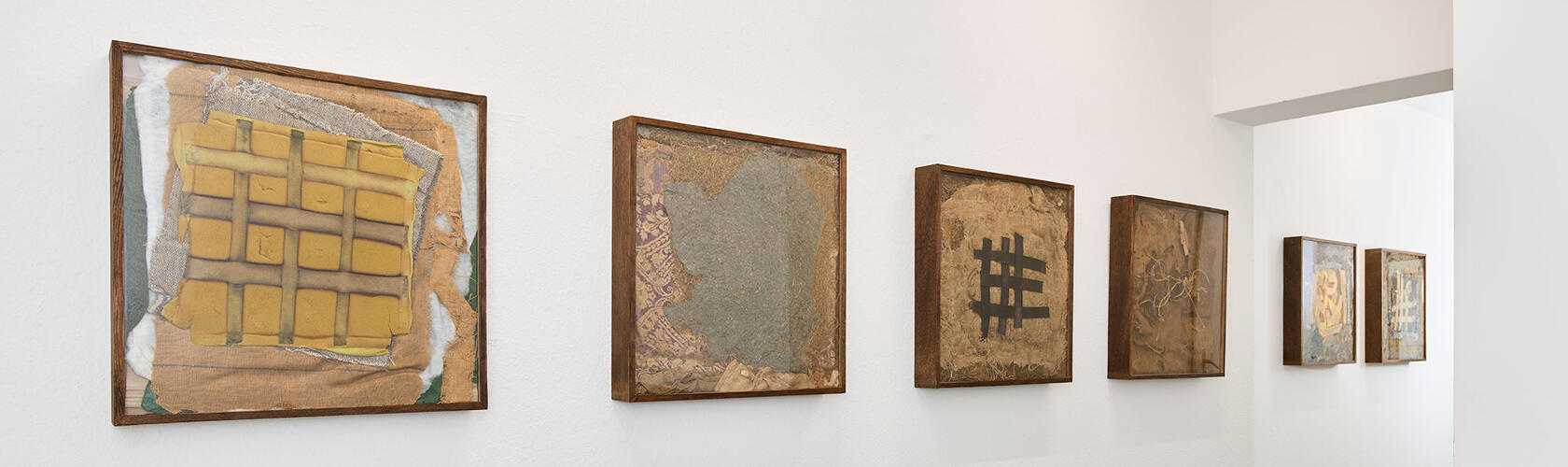
The exhibition continuously poses the question of who rides whom, and who gets taken for a ride. In an upstairs corridor hangs a series of wooden and glass frames containing the excavated insides of found chairs (Bottoms I–VI). Foam stuffing, metal springs and fragments of old-fashioned, patterned fabric are all forcibly confined together, their earthy colours redolent of a contemporary arte povera. Are these abstract, flattened images the material equivalent of those other bottoms, revelling in their submissiveness as they give themselves up to support? Taken together, the works in ‘ridden’ display forms of violence that undergird all relations. Yet, they ultimately reveal Mays’s strategies of disruption, suspending her sculptures outside easy categorisation by denying them a fixed certainty.
Mónica Mays’s ‘ridden’ is on view at Blue Velvet, Zurich, until 26 July
Main image: Mónica Mays, ‘Bottoms’, 2025, installation view. Courtesy: the artist and Blue Velvet, Zurich; photograph: Felix Jungo